- CAPABILITIES
- SERVICES
- COMPANY
- INDUSTRIES
- BLOGS
- CASE STUDIES
- CAREERS
- CONTACT US
Home » Capabilities Overview » EV Battery » Structural Bonding Solutions
Patvin Engineering is the leading supplier of Structural Bonding Solutions for EV Batteries with more than thirty years of experience.
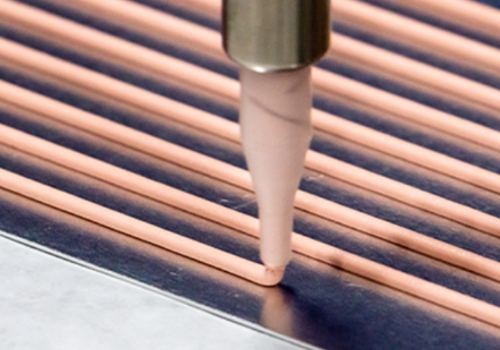
Using adhesives for structural bonding methods help make a battery lightweight, while adding strength and rigidity. Typically, a one or two component epoxy adhesive is dispensed in a bead shape to bond two pieces of a battery pack together.
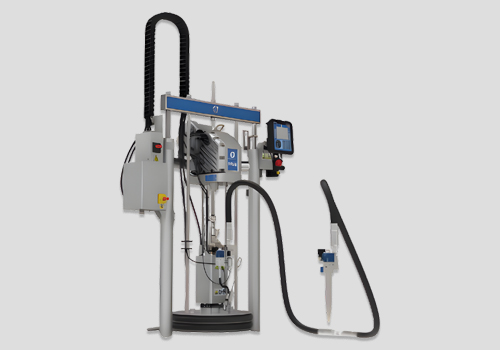
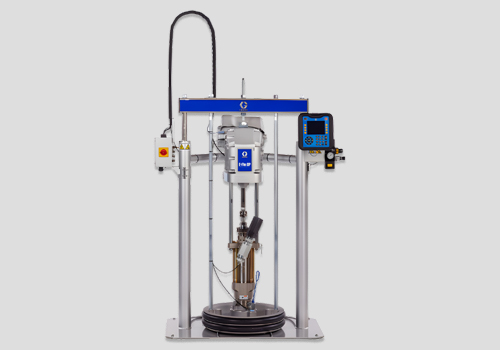
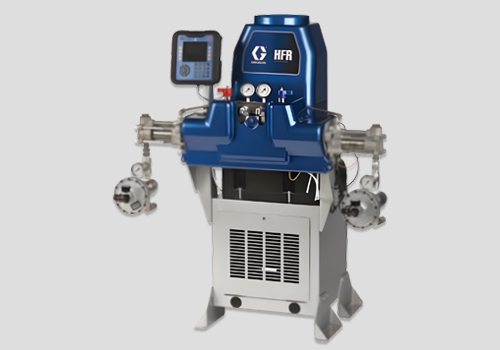
Precision and accuracy are important to proper bonding and efficient material use. It’s best to use automated adhesive dispensing systems for structural bonding. They offer strong control over materials and help apply adhesives with high precision.
Structural bonding is becoming the preferred method for assembling EV battery packs. It replaces welding and mechanical fasteners because it makes the battery lighter by 20-40%, faster to build, and cheaper to assemble. Most of the companies use this method. It also helped them meet important safety rules such as GB 38031-2020 in China and UNECE R100 Rev.3 in Europe.
In EV batteries, manufacturers use structural bonding to connect cells to modules, fix modules to the pack, seal the battery housing, and support thermal management. Manufacturers choose adhesives such as epoxy, polyurethane, or acrylic based on the performance needed for each part.


Structural bonding refers to the process of using adhesives to join two or more substrates together. Unlike traditional methods like welding or riveting, structural bonding uses bonding solutions to create strong, lasting connections. It involves using structural adhesives that can bear loads and maintain the integrity of the joined surfaces. This technique is essential in industries where reliable bonding solutions are crucial. Structural bonding and adhesives ensure the integrity and strength of the assembled parts, making them vital for many applications.
Structural bonding has multiple types depending on their material and applications, such as:
Each bonding solution is designed for specific applications.
Benefits for use of Structural Bonding can be stated as:
Structural bonding is widely used in several fields such as:
Advantages of Structural Bonding
Disadvantages of Structural Bonding
Few examples for structural bonding are: